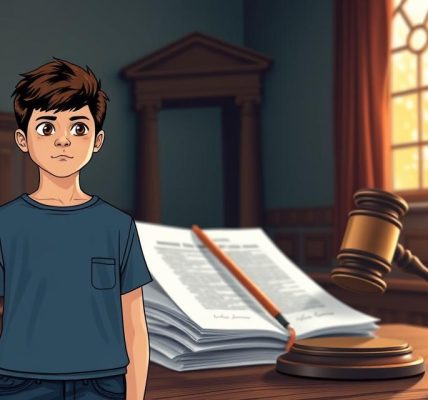

Invasion of privacy over the internet is rising fast as data brokers sell personal details, fueling telemarketing abuse and harassment nationwide.
Invasion of privacy over the internet happens when personal data is collected or sold without clear consent, often leading to unwanted telemarketing calls. Data brokers play a major role by publishing private information online. Victims, especially seniors, can take legal and practical steps to protect their privacy and rights.
Invasion Of Privacy On The Internet: How Data Brokers Fuel Telemarketing Harassment And What Victims Can Do
Have you ever asked yourself how strangers keep calling your phone even after you asked them to stop? That uneasy feeling isn’t accidental. For millions of Americans, the invasion of privacy over the internet has become a daily reality. What starts as harmless online activity often turns into nonstop harassment. This issue affects real people, real families, and real peace of mind.
At its core, online privacy invasion happens when personal information published online is shared or sold without meaningful consent. Data brokers sit quietly behind the scenes, profiting from private details. Telemarketers then use that data to bombard consumers with calls. Understanding how this system works is the first step toward stopping it.
When The Internet Becomes A Tool For Privacy Invasion 😟
The internet was designed to make life easier, but it has also become a powerful tool for invading personal privacy. Everyday activities like signing up for newsletters or downloading apps can expose sensitive data. Over time, that information spreads across multiple platforms. Most consumers never realize how far it travels. This lack of awareness creates long-term consequences.
Seniors are especially vulnerable to this growing problem. Unwanted telemarketing calls disrupt their routines and sense of safety. Many older adults feel anxious each time the phone rings. Some even stop answering calls altogether. Instead of connection, technology brings fear and frustration.
Understanding The Problem: What Is An Invasion Of Privacy Over The Internet 🔍
An invasion of privacy over the internet occurs when personal data is collected, shared, or sold without clear permission. This includes phone numbers, email addresses, physical addresses, and demographic details. While some data use is legal, many practices cross ethical lines. Consumers rarely know who has their information. This imbalance puts individuals at risk.
The difference between legal data use and unethical exploitation lies in consent and transparency. Ethical use respects boundaries and purpose. Unethical practices hide behind complex policies. When consumers don’t understand what they’ve agreed to, consent becomes meaningless. That’s where privacy violations begin.
Why Online Privacy Invasion Has Grown So Fast 📈
Online privacy invasion has increased rapidly because technology evolves faster than laws. Modern data collection tools gather massive amounts of information instantly. Regulations struggle to keep pace with innovation. This gap allows companies to exploit gray areas. As a result, consumers are left exposed.
Personal data has become a valuable commodity. Businesses rely on targeted marketing to grow revenue. The more detailed the data, the higher its value. Unfortunately, consumers are rarely informed or compensated. This system rewards data extraction over personal protection.
Real-Life Impact: How Unwanted Telemarketing Affects Seniors 📞
Unwanted telemarketing calls have a serious emotional impact on seniors. Phones ring repeatedly during meals, rest, and family time. Over time, this constant disruption creates anxiety and stress. Many seniors feel overwhelmed and helpless. Their sense of privacy slowly erodes.
Seniors are also disproportionately targeted for scams. Telemarketers often use pressure tactics and false urgency. Repeated exposure increases the risk of fraud. Financial losses can happen quickly. Recovery, both emotional and financial, is often difficult.
Emotional And Financial Costs Of Telemarketing Harassment 💔
The emotional toll of telemarketing harassment cannot be ignored. Victims often experience stress, fear, and loss of trust. Some avoid answering calls entirely. This isolation can affect relationships and access to important services. Emotional well-being declines over time.
Financial harm adds another layer of damage. Scammers often appear legitimate and persuasive. Once trust is gained, money can be lost within minutes. Seniors living on fixed incomes face devastating consequences. The combination of emotional and financial harm makes this issue urgent.
How Telemarketers Get Your Phone Number Online 📲
Many consumers wonder how telemarketers get their phone numbers so easily. In most cases, data brokers are responsible. These companies collect information from online forms, surveys, apps, and public databases. Even basic sign-ups create lasting digital footprints. That data is then sold repeatedly.
Most people never see this process happen. A single phone number may appear on dozens of broker sites. Each sale increases exposure. Calls multiply over time. Without intervention, the cycle continues indefinitely.
The Role Of Data Broker Companies 🏢
Data brokers are companies that collect, package, and sell personal information. They build detailed consumer profiles using public records and online activity. Most consumers have never heard of these companies. This lack of visibility allows them to operate quietly. Transparency is minimal.
These companies sell data to advertisers, marketers, and telemarketers. Consent is often hidden inside lengthy privacy policies. Consumers rarely understand what they’ve agreed to. Once sold, data spreads rapidly. Control is lost almost immediately.
Common Types Of Data Sold By Brokers
| Personal Data Type | How It’s Used | Consumer Awareness |
| Phone Numbers | Telemarketing Calls | Very Low |
| Home Addresses | Direct Mail & Profiling | Low |
| Age & Income | Targeted Advertising | Rare |
| Family Details | Scam Targeting | None |
Public Records Vs. Commercial Exploitation ⚖️
Public records exist for transparency and accountability. Property records and voter registrations serve legitimate purposes. Problems arise when this data is repackaged for profit. Context is removed. Consumers never expect resale.
Selling public data for marketing crosses an ethical boundary. What was once neutral information becomes a tool for harassment. This practice blurs legal and moral lines. Privacy suffers as a result. Trust in public systems declines.
Do Not Call Registry: Why It Often Fails To Stop The Calls 🚫
The Do Not Call Registry was created to protect consumers from unwanted telemarketing calls. While helpful in theory, it often fails in practice. Many telemarketers ignore the rules entirely. Others operate outside U.S. jurisdiction. Calls continue despite registration.
Data brokers weaken the system further. They sell consumer information to third parties who claim exemptions. Enforcement is slow and penalties are inconsistent. Consumers feel frustrated and unprotected. Registration alone is no longer enough.
Unauthorized Sharing Of Personal Information 🔓
Unauthorized sharing of personal information is a major driver of online privacy invasion. Most consumers never give clear permission for their data to be sold. Privacy policies are long, confusing, and easy to misunderstand. Few people read them carefully. Consent becomes implied, not informed.
This lack of transparency creates serious risks. Personal data spreads without accountability. Consumers lose control over their identities. In many cases, this may qualify as a privacy violation. Victims are left to manage the fallout.
Is This Legal? An Overview Of U.S. Privacy And Consumer Protection Laws 🇺🇸
Privacy rights in the United States are fragmented and inconsistent. Federal laws focus on deceptive or unfair practices. They offer limited protection against data brokerage. Enforcement varies widely. Many violations go unchecked.
Internet privacy laws in the USA continue to evolve. Some protections exist, but major gaps remain. Consumers often discover violations too late. Legal remedies can be complex. This uncertainty benefits data brokers more than victims.
State-Level Privacy Laws: Why Location Matters 🗺️
State laws play a major role in privacy protection. Some states provide stronger consumer rights than others. These laws may allow data access, correction, or deletion. Enforcement also varies by state. Location can determine legal options.
Consumers in stronger-protection states have more control. Others face limited remedies. This uneven landscape creates confusion. Seniors benefit most from robust state laws. Geography can shape outcomes.
How Privacy Protections Differ By State
| Protection Level | Consumer Rights | Enforcement Strength |
| Strong | Data Access & Deletion | High |
| Moderate | Limited Opt-Out | Medium |
| Minimal | Basic Disclosure Only | Low |
Can Data Broker Companies Be Sued For Publishing Personal Information ⚖️
In certain situations, data broker companies can be sued. Key factors include lack of consent, negligence, and documented harm. Courts examine how data was collected and shared. Evidence plays a critical role. Legal advice is essential.
Victims must show real impact. Call logs, financial losses, and emotional distress matter. Patterns of repeated abuse strengthen claims. While lawsuits are challenging, they are possible. Accountability starts with documentation.
Steps Victims Can Take To Protect Their Privacy 🛡️
Victims can take proactive steps to reduce online privacy invasion. Requesting removal from data broker websites is a strong first action. Many brokers offer opt-out processes, though they require patience. Filing formal complaints creates records. Persistence matters.
Keeping detailed records of unwanted telemarketing calls is essential. Dates, times, and caller details help support claims. Reporting violations increases enforcement pressure. Educating family members reduces future risk. Small actions make a difference.
Practical Actions To Regain Privacy
| Action | Purpose | Impact |
| Data Removal Requests | Reduce Exposure | High |
| Call Documentation | Support Complaints | Medium |
| Regulatory Complaints | Trigger Enforcement | Medium |
| Family Education | Prevent Scams | High |
Why Stronger Internet Privacy Laws Are Needed 🚨
Current laws do not reflect modern data risks. Technology evolves faster than regulation. Data brokers face limited accountability. Consumers remain vulnerable. Stronger laws are essential.
Transparency and consent must be prioritized. Vulnerable groups like seniors need extra protection. Clear rules would deter abuse. Privacy should be proactive, not reactive. Reform is overdue.
Conclusion: Reclaiming Privacy In A Digital Age ✊
The invasion of privacy over the internet is widespread and growing. Data brokers fuel unwanted telemarketing calls daily. Consumers deserve transparency, control, and respect. Privacy is a fundamental right.
Awareness leads to action. Action leads to protection. Stronger laws and informed consumers can reduce harm. Reclaiming privacy starts with knowledge and persistence.
FAQs
How does invasion of privacy over the internet happen?
It occurs when personal data is shared or sold without clear consent. Data brokers collect and distribute this information. Telemarketers then use it for repeated contact.
Why do seniors receive more unwanted telemarketing calls?
Seniors are often seen as easier targets. Their information is widely circulated online. Scammers exploit perceived vulnerability.
Can I remove my data from data broker websites?
Yes, many data broker sites allow removal requests. The process can be slow. Persistence is key.
Are do not call registry violations common?
Yes, many telemarketers ignore the registry. Some exploit loopholes. Enforcement is inconsistent.
Can you sue data broker companies for privacy invasion?
In some cases, yes. You must show lack of consent and harm. Legal guidance improves success.